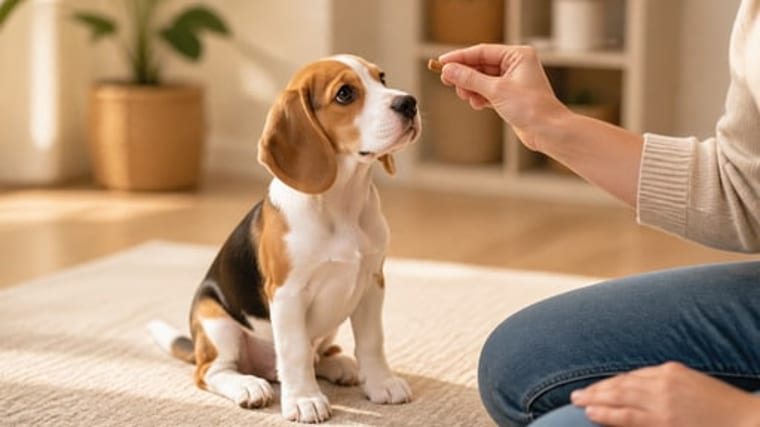
Bringing home a new puppy is one of the best days of your life — until 3 a.m. hits and you’re on your hands and knees with paper towels. We’ve all been there. The great news is that learning how to potty train a puppy fast doesn’t require magic or a professional trainer. It requires a solid plan, a little patience, and the right habits locked in from day one.
This step-by-step guide breaks down exactly what to do — from your puppy’s very first morning home to the moment they’re signaling the door on their own. We’ve grounded these tips in research from the American Kennel Club and veterinary best practices, plus real insights for Houston-area puppy owners.
Why Potty Training Starts on Day One
Here’s the truth most people learn the hard way: every day without a plan is a day your puppy is learning the wrong habits. Puppies are little pattern machines. Whatever they repeat, they learn — and unlearning a bad habit is three times harder than building a good one.
The framework that actually works? Reward-based training. Skip the scolding, skip the frustration, and focus entirely on celebrating the wins. According to the American Kennel Club, praising a puppy for doing the right thing works best. The second your puppy goes in the right spot, it’s a party — treats, praise, the full production. That dopamine hit is what makes the lesson stick.
Here are the three principles to tattoo on your brain before you start:
- Consistency beats intensity. Short, frequent trips outside work better than long, random ones. Research shows that multiple daily outings reinforce the habit faster than sporadic trips.
- Timing is the secret weapon. Take your puppy out after every meal, nap, and play session — no exceptions. Most puppies need to go within 15–30 minutes of eating, and always right after waking up.
- Accidents are information, not failures. They tell you your puppy needed to go and you missed the window. Adjust and move on. Never scold your puppy after the fact, as they won’t understand the correction.
Set these expectations early and the whole process becomes a lot less stressful.
Understanding Your Puppy’s Bladder Timeline
One of the biggest mistakes new owners make is expecting too much too soon. Here’s the reality: puppies can only hold their bladder for roughly one hour per month of age, plus one hour. A two-month-old puppy, for example, can hold it for about three hours. A six-month-old can manage around six hours.
This means a young puppy might need to go outside 12 or more times daily. Yes, really. Most puppies start showing reliable bladder control around 20 weeks (five months) of age, but full house training typically takes about six months of consistent effort. Some puppies master it in a few weeks; others take longer. Small-breed puppies, in particular, often need extra time due to their smaller bladders.
The key insight: your job isn’t to train your puppy’s bladder to be bigger. Your job is to teach them where to go before accidents happen.
The First 72 Hours: Your Potty Training Game Plan
The first three days at home are your golden window to set the tone. Here’s a beginner puppy training schedule that keeps things simple and consistent:
Every 1–2 Hours (Waking Hours) Take your pup to the same designated potty spot every single time. Use a cue phrase like “go potty” right when you get there. The moment they go, reward immediately — not after you walk back inside, right then. This builds a strong association: “this spot = reward.”
After Every Meal Most puppies need to go within 15–30 minutes of eating. Make the post-meal trip a non-negotiable part of the feeding routine. Feeding your puppy three smaller meals (rather than one or two large ones) also gives you more scheduled potty opportunities and helps establish predictable timing.
After Every Nap A sleeping puppy is a puppy with a full bladder. The second they wake up, get them outside. Don’t let them wander the house or play with toys first — straight outside.
After Playtime All that excitement and movement speeds things up internally. A quick trip out after play sessions prevents a lot of indoor surprises.
Last Trip Before Bed + First Trip in the Morning These two bookends protect your nights and your mornings. Make them automatic. Many owners find that the last trip before bed and the first trip in the morning make the difference between progress and frustration.
Pro tip: Keep a simple log for the first week — when your puppy eats, naps, plays, and goes potty. You’ll spot their natural rhythm within a few days, and that’s when house training stops feeling like guesswork and starts feeling like a science.
Common Mistakes Houston Puppy Owners Make
Even the most devoted new puppy parents can accidentally slow their own progress. Here’s what to watch for:
Punishing accidents after the fact. If you didn’t catch it happening, your puppy has zero idea what the scolding is about. Discipline after the fact creates anxiety without teaching anything. Clean it up calmly and remind yourself to tighten the schedule. Your puppy isn’t being stubborn — they didn’t understand.
Using the wrong cleaner. Standard household cleaners don’t break down pet odors at the enzyme level. Dogs can smell urine scents up to 40 times better than humans; lingering pheromones act like a bathroom sign, drawing your puppy back to the same spot. Always use an enzyme-based pet cleaner on every accident area. Ammonia-based cleaners should be avoided because ammonia itself smells like urine to a dog.
Skipping the crate. Crate training and potty training are best friends. Dogs instinctively avoid soiling their sleeping space. A properly sized crate — just big enough to stand, turn around, and lie down — helps your pup hold it between trips. Too big and they’ll use a corner. A crate also gives you peace of mind during the times you can’t supervise directly.
Letting them roam too freely too soon. Unsupervised freedom in a big space is an accident waiting to happen. Until your puppy is consistently trained, keep them in a smaller, gated area of your home where you can watch them closely and catch early warning signs (sniffing, circling, whimpering).
Switching up the potty spot. Consistency here matters more than most people realize. One spot, every time. Mixed locations = mixed signals. Your puppy learns best when the routine never changes.
Apartment Potty Training in Houston
No yard? No problem. Tons of Houston puppy owners are in Midtown high-rises, Montrose condos, and EaDo lofts — and their dogs are perfectly trained. Here’s how to make it work without a backyard:
Start with an indoor potty zone. A puppy pad or a grass potty box placed near the front door gives your pup a clear “this is the spot” signal while they’re still building bladder control. As they get older and more reliable, you transition fully to outdoor trips. This bridge method works especially well for apartment dwellers on higher floors.
Account for elevator time. If you’re on the 15th floor, that elevator ride is precious time. Practice asking your pup to wait calmly, and reward them for holding it until you hit the lobby. Start this habit on day one. You’ll be amazed how quickly puppies learn.
Anchor trips to your daily routine. Many Houston residents are on hybrid work schedules. Build potty trips around your natural anchors — before your morning coffee, after your lunch break, before your evening workout. Your pup will sync up to your rhythm faster than you’d expect. Consistency in your schedule teaches consistency in their bathroom habits.
Find your go-to outdoor spot. Houston has no shortage of dog-friendly spaces — Hermann Park with McWilliams Dog Park, Buffalo Bayou Park with the Johnny Steele Dog Park, Discovery Green, and neighborhood greenbelts all work great. A consistent outdoor spot reinforces the outdoor habit even when you’re not in a house with a yard.
Be patient during transitions. Moving from a puppy pad to outdoor-only can take a few weeks. Some setbacks are normal. Keep the routine tight and trust the process. It always clicks.
Your Puppy Is Ready — How to Know Training Is Complete
So when does potty training officially count as “done”? Look for these signs:
- ✅ Zero accidents for four or more consecutive weeks
- ✅ Your puppy signals when they need to go — pawing at the door, sitting by the exit, or vocalizing
- ✅ They wait patiently when you ask them to hold it
- ✅ They go to the same spot every time without being guided there
- ✅ They maintain clean overnight habits without needing a crate
Most puppies reach this milestone between 4–6 months old when training starts early and is consistent. Some smaller breeds take a touch longer — that’s completely normal. Keep the routine tight and trust the process. It always clicks.
If your puppy is older than six months and still struggling, consult your veterinarian to rule out medical issues like urinary tract infections, which are more common in puppies than many owners realize.
Frequently Asked Questions
How long does it actually take to potty train a puppy?
On average, full house training takes about six months of consistent effort. However, every puppy is different. Some are reliably trained in 4–5 months; others need closer to 8–12 months, especially small-breed puppies with smaller bladders. The timeline also depends on your puppy’s background before you brought them home. Consistency and patience are more important than speed.
What should I do if my puppy has an accident inside?
Do not scold your puppy, especially if you didn’t catch the accident in real time. Instead, clean it immediately and thoroughly with an enzyme-based pet cleaner to eliminate odor completely. If you catch your puppy in the act, calmly interrupt them, take them outside to finish, and reward. Focus on the future, not the mistake.
Can I potty train a puppy without a crate?
While a crate is a powerful training tool, it’s not absolutely required. However, it is the easiest and fastest method because it leverages your puppy’s natural instinct not to soil their sleeping area. If you skip the crate, you must provide even closer supervision, more frequent outdoor breaks, and consistent rewards. Most trainers recommend crate training as the standard approach.
At what age can I expect my puppy to hold it through the night?
Most puppies can hold it through a full night (8 hours) by around 4–6 months old, and some can manage it by 3–4 months with a very tight daytime routine. However, very young puppies (under 12 weeks) will almost certainly need at least one nighttime potty break. Be patient and realistic with expectations.
What if my puppy has a medical issue causing accidents?
If your puppy is older than six months and still having frequent accidents despite a solid training routine, consult your veterinarian. Issues like urinary tract infections, parasites, or other health problems can mimic behavior problems. A vet check rules out medical causes and gives you a clear path forward.
Ready to Find Your Perfect Puppy?
Every great training story starts with the right pup. Perfect Little Puppies in Pearland carries a curated lineup of designer breeds — all well-raised by trusted, vetted breeders and vet-checked with age-appropriate vaccinations. Whether you’re looking for a Goldendoodle, Labradoodle, or another beloved breed, we work with breeders who prioritize the health and socialization of their puppies.
With flexible financing options, bringing one home is more doable than you’d think. Visit us at our Pearland store to meet available puppies in person, ask our team questions, and start your training journey on the right foot.
Follow us on Instagram and Facebook for daily puppy content and training inspiration. If you have questions before your visit, reach out to our team anytime.